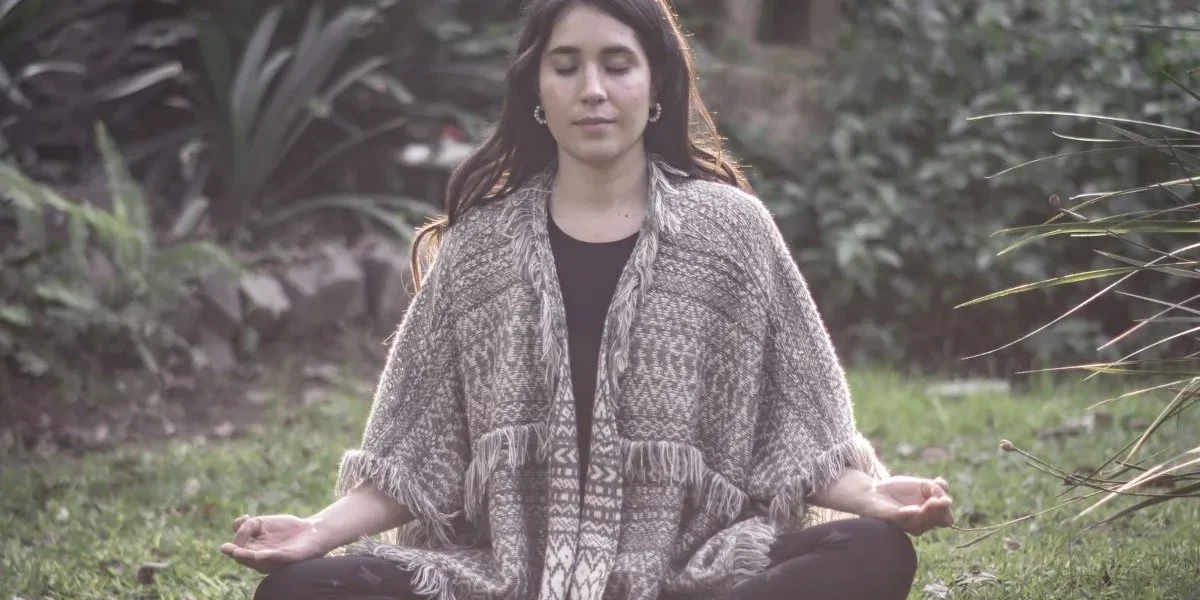
When most people think about yoga, they imagine postures, breathing exercises, or meditation. Yet at the heart of yoga lies something much deeper: the practice of intention. Here the ancient concept of Sankalpa comes into play.
Unlike typical resolutions that often fade within weeks, Sankalpa is not about forcing yourself into change. It is about remembering your inner truth and directing your life in harmony with it. Rather than chasing external outcomes, it helps you cultivate alignment between your mind, body, and spirit.
In this article, we will explore the meaning of Sankalpa in yoga, how to practice it, its role in yoga nidra, and the powerful benefits it can bring to daily living.
What Is Sankalpa?
The word Sankalpa comes from Sanskrit. “Kalpa” denotes a commitment or pledge, whereas “san” alludes to connecting with a greater purpose or truth. Together, it is often understood as a sacred resolution or heartfelt intention.
Unlike ordinary goals, Sankalpa is not rooted in self-criticism or desire for external approval. It comes from the core of your being — your higher self — and serves as a compass to guide thoughts and actions. Many teachers describe it as planting a seed in the mind. With steady attention and repetition, this seed grows into lasting transformation.
Sankalpa in Yoga Philosophy
In the broader context of yoga philosophy, Sankalpa is viewed as a tool for living consciously. Yogic texts emphasize that the mind has creative power — where attention goes, energy flows. By setting a Sankalpa, you direct that energy toward your deepest truth.
This practice is not about striving to “fix” yourself. Instead, it reminds you that you are already whole, and your intention is simply to live in greater alignment with that truth. For example, instead of “I must lose weight,” a Sankalpa may be “I care for my body with awareness and respect.” This reframing shifts the focus from external results to inner connection.
How to Create a Sankalpa for the Life You Want
Designing a Sankalpa requires self-reflection and clarity. Unlike goal setting, which often emphasizes measurable results, Sankalpa is about setting a direction based on your highest values.
Steps to Create a Sankalpa:
- Reflect deeply on what matters most to you beyond material achievements.
- Keep the statement short and memorable. For example: “I live with peace,” or “I act from compassion.”
- Phrase it in the present tense, as if it is already happening.
- Infuse it with emotion so it feels alive each time you repeat it.
When your Sankalpa resonates with your heart, it becomes easier to embody in everyday life.
The Power of Sankalpa
The power of Sankalpa lies in how it influences the subconscious mind. Modern neuroscience shows that repeated thoughts can rewire neural pathways. In yoga, Sankalpa works in the same way: by planting a conscious intention and nurturing it daily, you reshape both habits and beliefs.
- It gradually dissolves negative patterns.
- It strengthens willpower by providing clarity of direction.
- It supports resilience during challenges because it comes from your authentic self.
Because Sankalpa is rooted in your higher truth, its impact lasts far longer than temporary resolutions.
How to Practice Sankalpa
Practicing Sankalpa works best when the mind is calm and receptive such as at the start of meditation, before yoga practice, or just before sleep.
- Sit quietly and steady your breath.
- Bring your awareness inward and repeat your Sankalpa silently three times.
- Visualize yourself living according to this intention.
- Carry the feeling into your daily actions.
Consistency is more important than length. Even a few mindful minutes every day can deeply embed your Sankalpa.
Sankalpa in Yoga Nidra
A particularly effective way to practice Sankalpa is through yoga nidra, sometimes called yogic sleep. In this guided relaxation, the body enters a state of deep rest while the mind remains aware. Because the subconscious is more open in this state, your intention is absorbed more deeply.
At the beginning and end of yoga nidra, practitioners silently repeat their Sankalpa. This repetition plants the seed firmly in the subconscious, where it continues to influence thought patterns, emotional states, and behavior. Over time, it becomes a powerful force for transformation.
Common Mistakes to Avoid
Many beginners treat Sankalpa like a resolution, which limits its effectiveness. Some common mistakes include:
- Making it too vague or abstract.
- Choosing intentions based on ego or social pressure.
- Expecting instant results.
- Forgetting to repeat it consistently.
A Sankalpa is most effective when it is clear, heartfelt, and practiced with patience.
Benefits of Practicing Sankalpa
The benefits of Sankalpa extend beyond the yoga mat. With steady practice, it creates changes on multiple levels:
- Mental clarity: Helps reduce inner conflict and confusion.
- Emotional balance: Brings a sense of calm and confidence.
- Positive habits: Encourages healthier choices aligned with intention.
- Spiritual growth: Deepens connection with your true self.
- Resilience: Provides strength and guidance during life’s challenges.
Unlike short-lived goals, a Sankalpa stays with you as a guiding principle.
Conclusion
Sankalpa is more than just a positive statement. It is a spiritual intention in yoga a vow to live in harmony with your higher self. Practicing Sankalpa through meditation, daily repetition, or sankalpa yoga nidra allows you to nurture transformation from the inside out.
Unlike resolutions that fade, Sankalpa has the power to shape lasting change because it is born from truth. With steady practice, it can guide your choices, uplift your mindset, and bring clarity to your life’s direction.
Frequently Asked Questions
What is the Sankalpa method?
The Sankalpa method is a yogic practice of setting a heartfelt intention that comes from your higher self. It involves creating a short, clear statement in the present tense and repeating it during meditation, yoga nidra, or moments of quiet reflection. The method works by planting this intention deep into the subconscious mind, where it begins to influence thoughts, habits, and actions in daily life.
How to perform a Sankalpa?
To perform a Sankalpa, sit quietly and steady your breathing. Bring your attention inward and silently repeat your chosen intention three times with full awareness and sincerity. Visualize yourself living in alignment with the Sankalpa, and carry that feeling with you after your practice. The best times to practice are during meditation, at the beginning and end of yoga nidra, or before sleep when the mind is calm.
What is the difference between affirmation and Sankalpa?
An affirmation is a positive statement often used to encourage confidence or change a specific habit. A Sankalpa, however, is deeper. It is not about fixing what you think is wrong but about remembering your true nature and living in alignment with it. While affirmations come from the conscious mind, Sankalpa works on the subconscious level and is rooted in yogic philosophy.
How do you find your Sankalpa?
Finding your Sankalpa requires reflection and honesty. Instead of focusing on external goals, ask yourself: What do I truly value? What kind of person do I want to become? Your Sankalpa should resonate with your heart and reflect your deeper purpose. Short statements like “I live with compassion” or “I am at peace with myself” often work best because they feel authentic and easy to remember.
Which affirmation is most powerful?
There is no single “most powerful” affirmation. The strength of any affirmation or Sankalpa lies in how much it resonates with your inner truth. A statement that feels deeply personal and aligned with your values will naturally carry the most power for you.
What is the Sankalpa in the Bhagavad Gita?
In the Bhagavad Gita, Sankalpa is referred to as a determination or willpower directed toward a higher purpose. It emphasizes that one’s intentions should align with dharma (right action) and selfless service, rather than personal gain. In this sense, Sankalpa is seen as a spiritual vow that connects individual will with universal truth.
Can Sankalpa change your life?
Yes, when practiced consistently, Sankalpa can reshape habits, strengthen focus, and create inner alignment. Because it works at the subconscious level, it helps dissolve limiting beliefs and replaces them with empowering patterns. Over time, this can lead to meaningful changes in both mindset and lifestyle.
Is Sankalpa only for yoga practice?
No. While it is often practiced during yoga and meditation, Sankalpa can guide all areas of life. Whether in relationships, work, or personal growth, your Sankalpa acts as a compass that reminds you of your true direction.
How long does it take for a Sankalpa to work?
There is no fixed timeline. For some people, subtle changes may appear within weeks, while deeper transformation may take months or years. The key is steady repetition, patience, and trusting the process rather than looking for instant results.
Can I have more than one Sankalpa?
Traditionally, it is recommended to focus on one Sankalpa at a time. Having too many intentions can scatter your energy and weaken their impact. Once your first Sankalpa feels established in your life, you can choose to create a new one.